

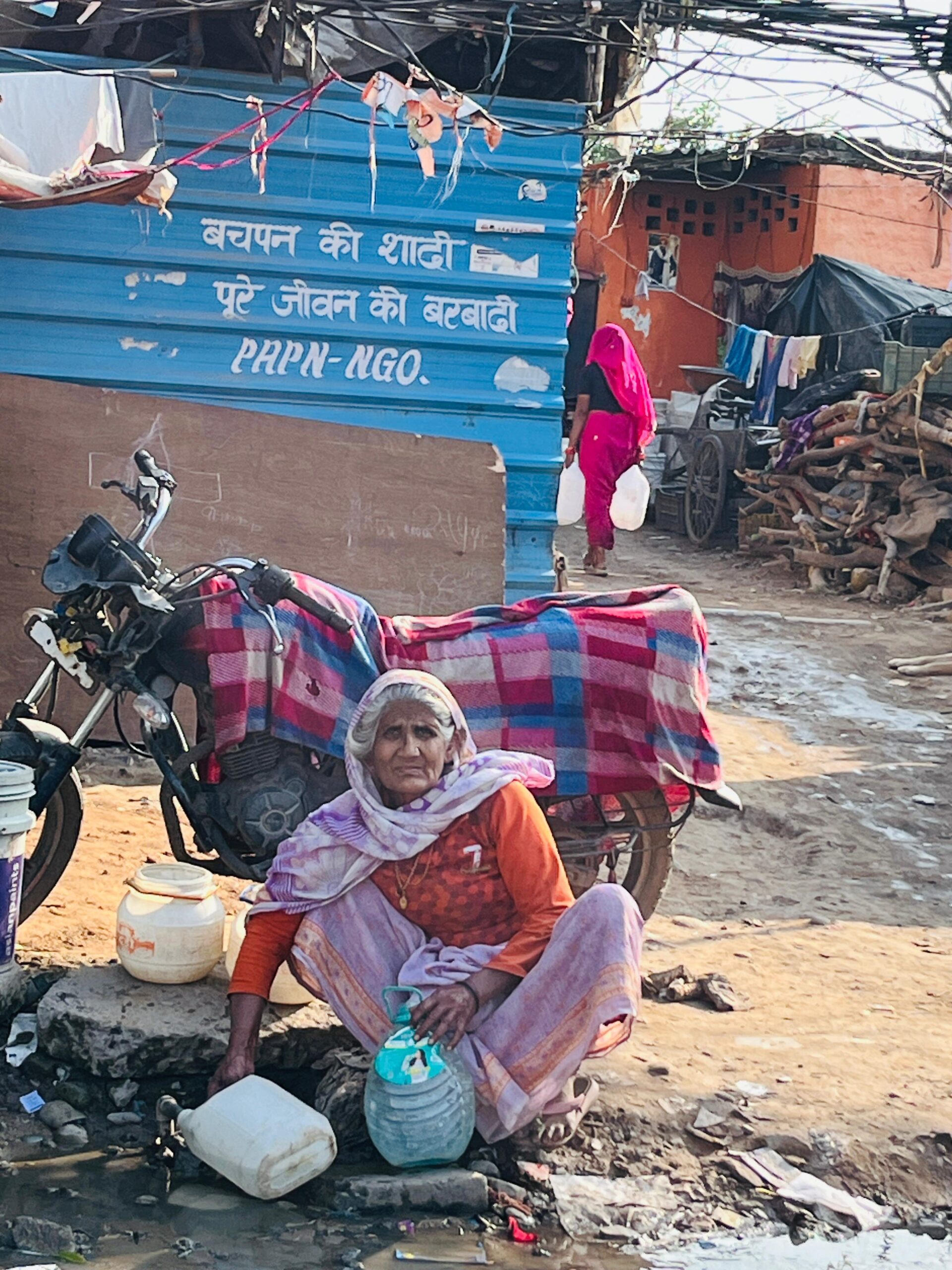
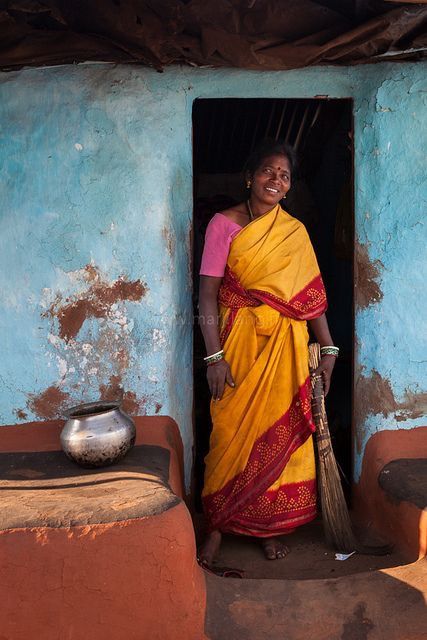
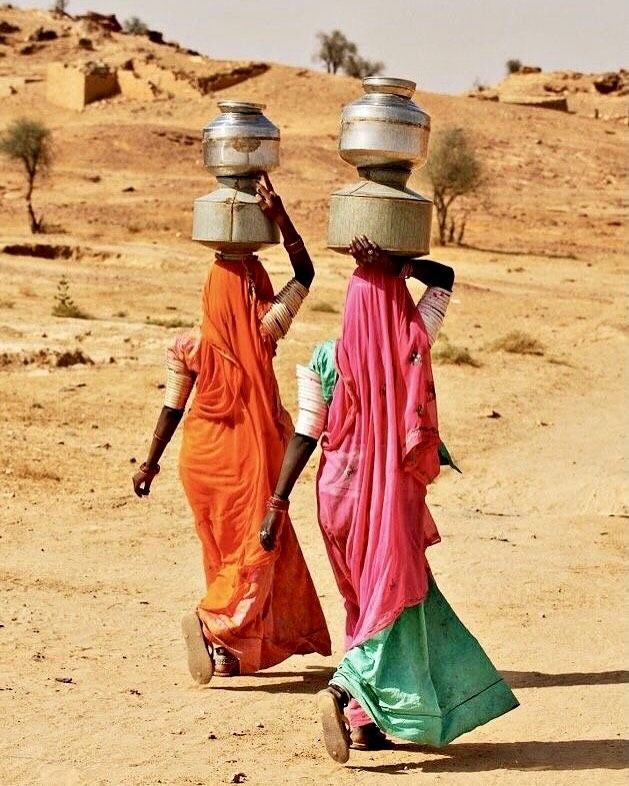
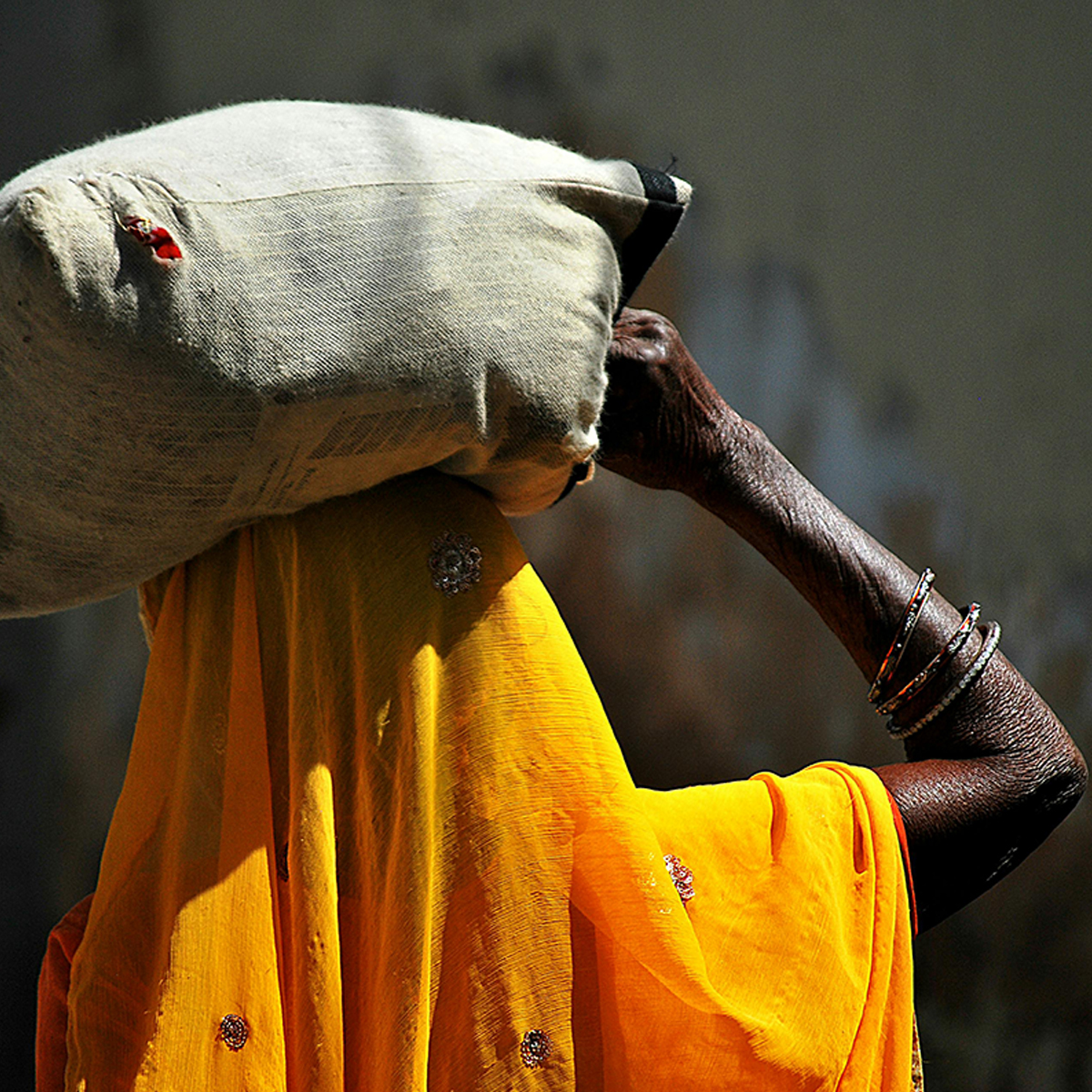
In many rural communities across the world, women are often the unsung heroes, playing pivotal roles in shaping the economy and contributing to the sustainable development of their regions. Historically, women have been sidelined in economic discussions, yet they remain essential to the fabric of rural economies. This blog delves into the undeniable contribution women make to rural economic growth and why empowering them is key to fostering long-term development.
Women as the Backbone of Rural Economies
In rural areas, women are often responsible for critical household tasks, including farming, caregiving, and maintaining the family’s health and well-being. According to the United Nations, women in rural communities are more likely to engage in agriculture than men, often making up more than 40% of the agricultural labor force. Women’s involvement in agriculture, both in subsistence farming and commercial enterprises, ensures that food is produced and the local economy continues to thrive.
Yet, women’s economic contributions often go unnoticed or undervalued. Their work in agriculture, animal husbandry, and small-scale businesses is integral to sustaining families and communities. When these women gain access to resources such as land, credit, education, and market opportunities, they can make an even greater impact on rural economic development.
Successful Women-Led Initiatives
Across the globe, there are countless examples of women in rural communities driving economic change. One such example is the Self-Employed Women’s Association (SEWA) in India, a trade union that has been empowering rural women since 1972. SEWA helps women in rural areas gain access to credit, vocational training, and collective bargaining power, enabling them to start small businesses and improve their livelihoods. Women in rural India have been able to set up businesses such as dairy farms, textile production, and handicrafts, contributing significantly to the local economy.
Another powerful example is the African Women's Development Fund (AWDF), which supports grassroots women-led organizations across Africa. Through its initiatives, AWDF has helped women start businesses in agriculture, education, and technology, promoting sustainable livelihoods and economic growth in rural areas. These women not only create jobs for themselves but also generate employment opportunities for others, thus fostering community-wide economic improvement.
How Empowering Women Promotes Sustainable Development
Empowering women in rural areas is not just a matter of gender equality; it’s a crucial element of economic development. Research shows that when women are given equal access to resources and opportunities, entire communities benefit. Women invest their income in the well-being of their families, leading to improved health, education, and nutrition outcomes for children. In fact, studies have shown that every additional year of schooling for girls increases their future income potential by up to 25%, which, in turn, boosts the local economy.
In rural areas, where resources are often scarce, women tend to adopt more sustainable practices in agriculture and natural resource management. Women’s unique knowledge of their environment and resource management practices can lead to better conservation efforts and sustainable agricultural practices, ensuring that rural economies remain viable for future generations.
Breaking Barriers: Access to Resources
Despite the clear advantages of empowering rural women, several barriers persist, including limited access to land, financial services, and markets. Women are often excluded from owning land or accessing credit, making it harder for them to expand their businesses or invest in their livelihoods. However, there have been significant strides made in overcoming these barriers.
Programs like Landesa, which helps women secure land rights, have had a profound impact on rural women’s economic status. Access to land means women can invest in agriculture, diversify income sources, and build wealth for future generations. Similarly, microfinance programs like Grameen Bank provide small loans to rural women to start businesses, boosting both their economic independence and their community’s growth.
Conclusion: The Future of Rural Economies
The undeniable contribution of women to rural economic growth underscores the importance of gender-focused policies and initiatives that empower women to lead. By providing women with access to education, financial resources, and market opportunities, we unlock their potential as key drivers of rural economic development. Women’s empowerment not only benefits them but also propels entire communities towards a more sustainable and prosperous future.
As we continue to build sustainable rural economies, it is crucial to prioritize women’s leadership and support their contributions. Only then can we truly harness the full potential of rural areas and ensure that no one is left behind in the pursuit of global development goals.
Women are the backbone of rural economies, often driving agriculture, family welfare, and local businesses, yet their contributions remain undervalued.






Raunak
24 Jan, 2025We loved it