
Overview
KWAVE's Solar Power for Villages program is a transformative initiative aimed at bringing clean, affordable, and sustainable energy to rural communities. By harnessing the power of the sun, we aim to illuminate homes, schools, and businesses, fostering economic growth, improving quality of life, and promoting environmental sustainability.
Program Objectives
- Clean Energy Access: Provide reliable and renewable energy sources to rural communities.
- Economic Growth: Support local businesses by reducing energy costs and enabling longer operational hours.
- Education Enhancement: Power schools to improve educational outcomes through better facilities and resources.
- Environmental Sustainability: Reduce dependency on fossil fuels, contributing to a healthier planet.
Program Components
1. Solar Installation for Homes
We focus on equipping rural households with solar panels to ensure a stable and clean energy source. This includes:
- Installation of solar panels on rooftops
- Provision of solar batteries for energy storage
- Training households on the maintenance of solar systems
2. Solar Solutions for Schools
Schools are equipped with solar energy solutions to enhance learning environments. This involves:
- Powering classrooms, libraries, and computer labs
- Ensuring uninterrupted power supply for digital learning tools
- Promoting STEM education through solar technology demonstrations
3. Empowering Local Businesses
Businesses in rural areas benefit from reliable and cost-effective energy. This includes:
- Installation of solar panels for small businesses and cooperatives
- Enabling longer business hours and increased productivity
- Supporting agro-based industries with solar-powered equipment
4. Community Training and Engagement
Educating the community on the benefits and maintenance of solar energy systems. This involves:
- Workshops on renewable energy and sustainability
- Hands-on training for local technicians
- Creating community champions to promote solar energy use
Impact Metrics
Sustainable development cannot be achieved without the active involvement of the local community. Empowering local residents, especially women and marginalized groups, is essential for the success of sustainable initiatives.
- Number of Households Electrified: Tracking the number of homes that gain access to solar power.
- Educational Outcomes: Measuring the improvement in student performance and attendance.
- Business Growth: Monitoring the increase in revenue and operational efficiency of local businesses.
- Environmental Impact: Calculating the reduction in carbon emissions and reliance on non-renewable energy sources.
Hear how solar energy is transforming lives in rural communities:
Community Stories
"The solar-powered computer lab has opened up new learning opportunities for our students. It's a game-changer for our school."
Priya's School"Solar power has reduced my energy costs significantly, allowing me to reinvest in my business and expand operations."
Local Business Owner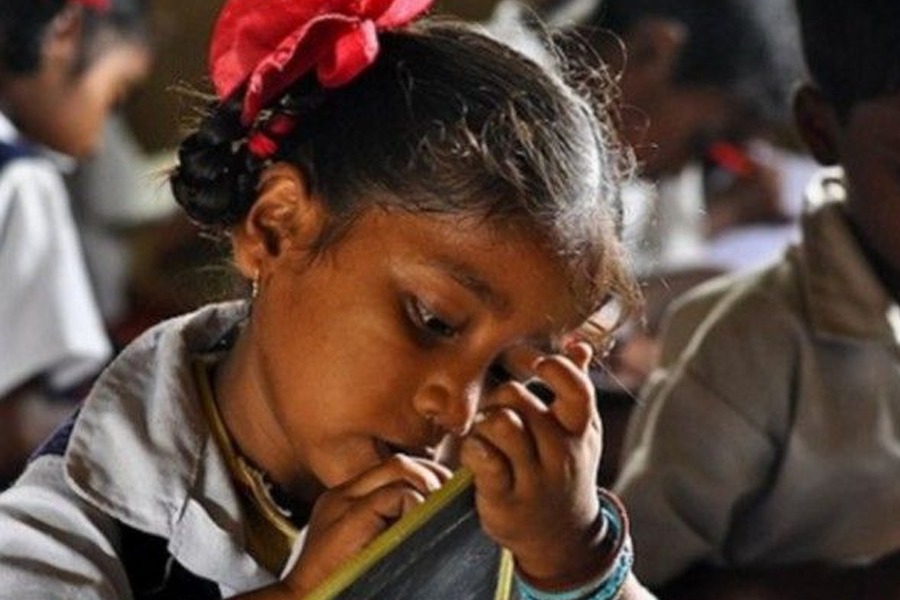







"With solar panels installed, we now have a reliable power supply, and my children can study at night without interruption."
Ravi's Home