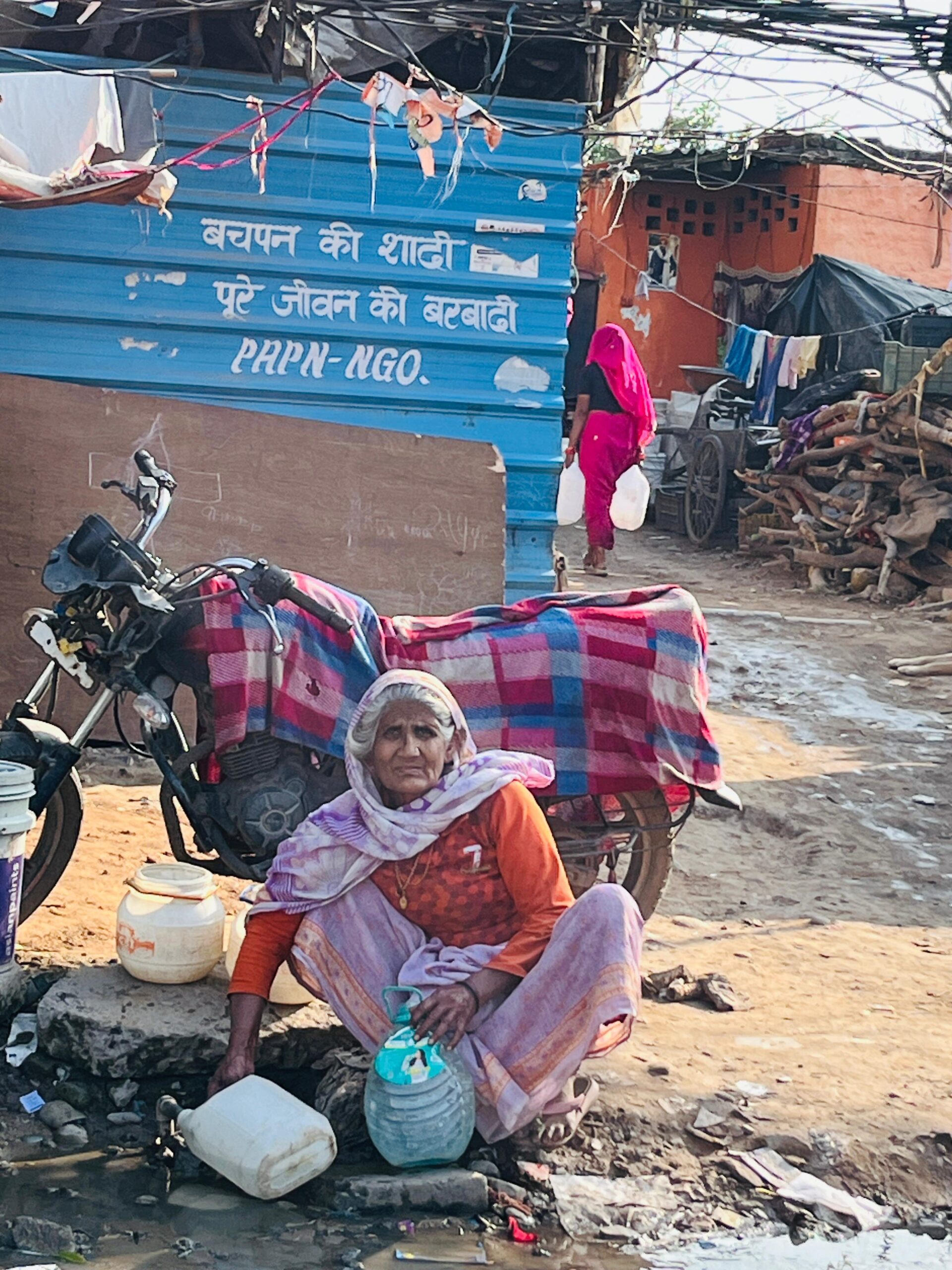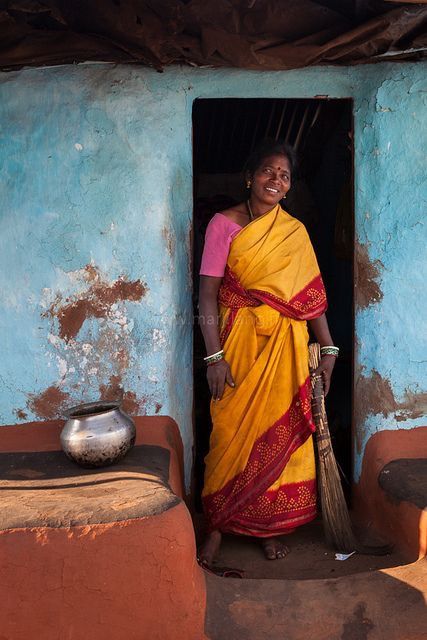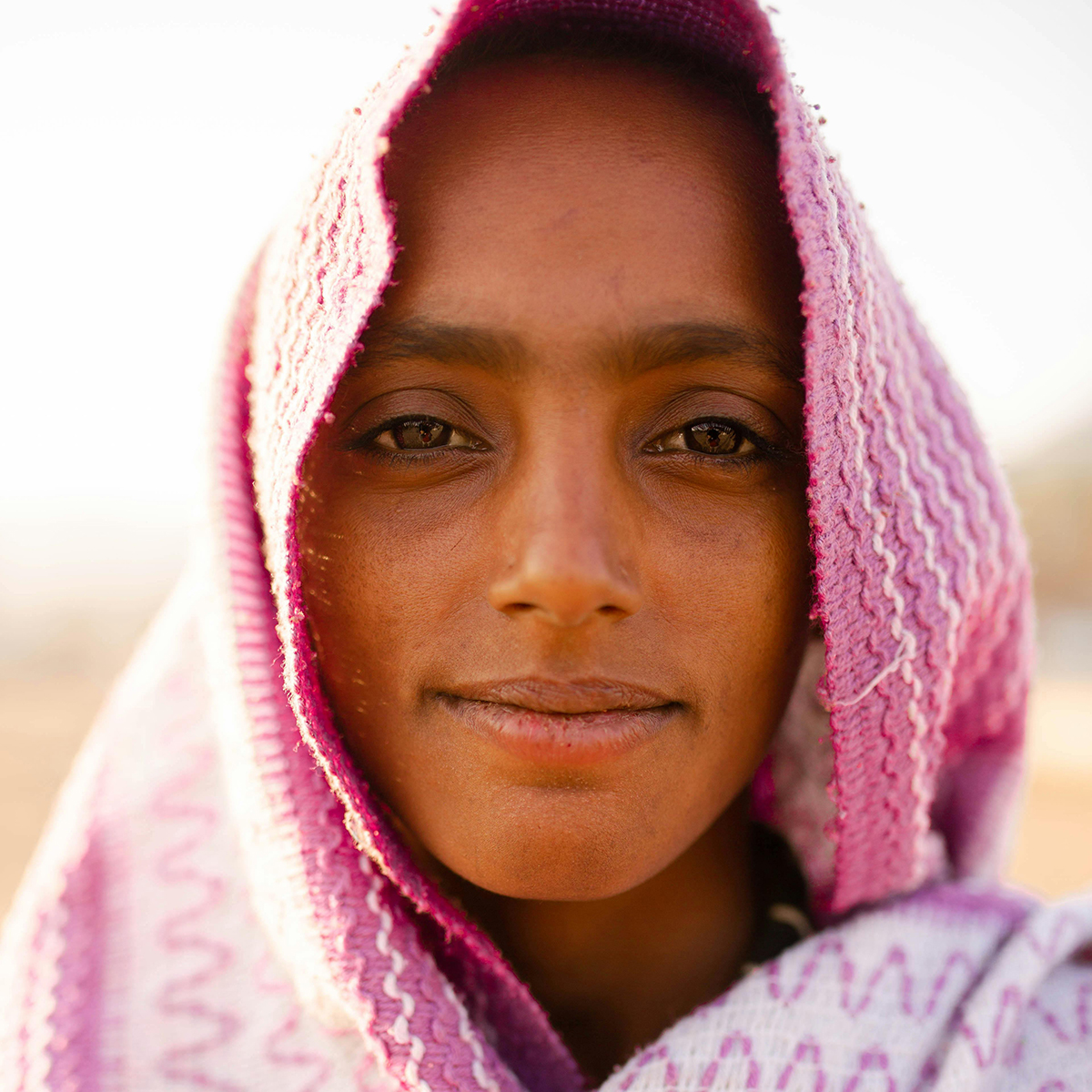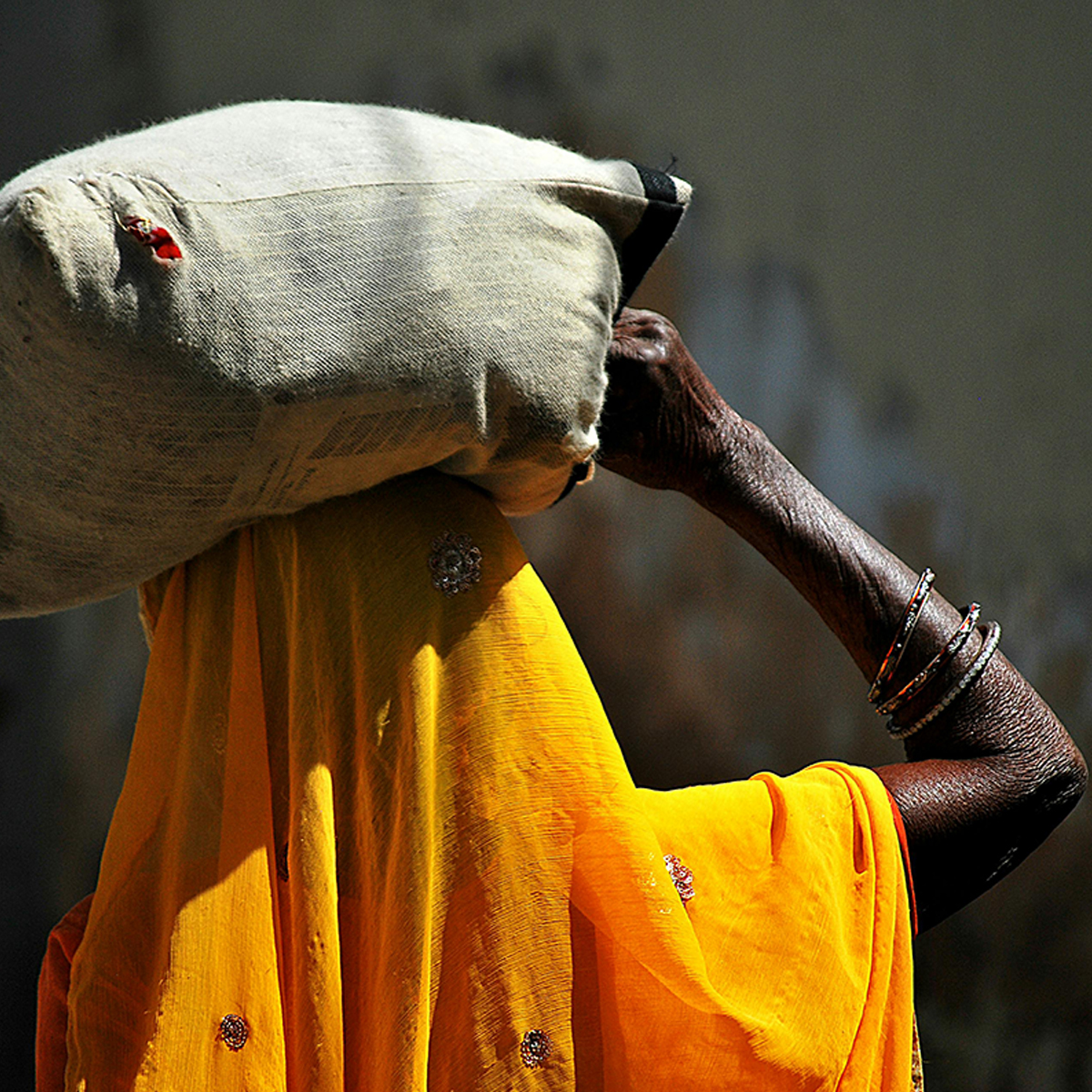
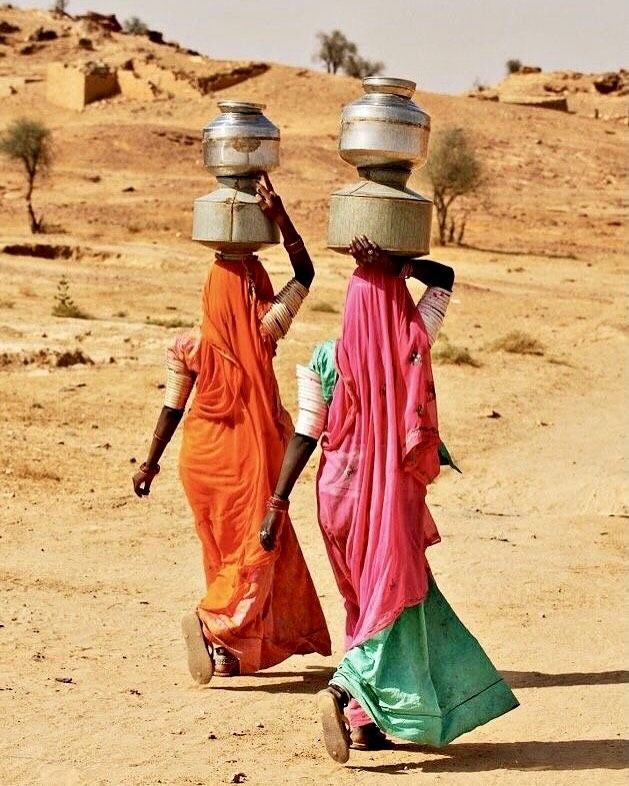
Empowering women is an essential step toward achieving gender equality and fostering sustainable development, yet rural women face unique challenges that hinder their ability to fully realize their potential. From limited access to education and healthcare to restrictions in the workplace and community, rural women often encounter barriers that prevent them from thriving. However, these challenges are not insurmountable, and many solutions are being implemented worldwide to help rural women break free from these constraints. In this blog, we will examine the challenges faced by rural women and explore the solutions and programs designed to empower them.
Challenges Faced by Rural Women
- Limited Access to Education
Education is one of the most powerful tools for empowering women, yet many rural women struggle to gain access to quality education. Cultural norms, financial constraints, and the lack of educational infrastructure in remote areas often prevent girls from attending school. In many rural communities, traditional gender roles prioritize boys' education over girls’, leading to high dropout rates among female students.The consequences of limited education are far-reaching. Without education, women miss out on opportunities for personal development, better-paying jobs, and the ability to participate in decision-making processes within their families and communities.
- Barriers to Healthcare Access
Rural women also face significant challenges in accessing healthcare, including maternal and reproductive health services. In many rural areas, healthcare facilities are few and far between, with long distances and poor transportation options making it difficult for women to receive necessary medical care. Furthermore, limited knowledge about women’s health issues, lack of trained medical professionals, and cultural stigma surrounding women’s health exacerbate the situation.In many cases, these barriers result in preventable maternal and child deaths, as well as untreated health conditions that impact women's ability to work, care for their families, and fully participate in society.
- Economic Dependence and Employment Challenges
In rural areas, employment opportunities for women are often scarce. Many women are confined to unpaid domestic work or subsistence farming, with little opportunity to earn a steady income. Cultural norms often restrict women’s participation in the formal labor market, and gender-based discrimination in hiring practices limits women’s chances of gaining access to well-paying, skilled jobs.The lack of financial independence leaves many rural women vulnerable to poverty, gender-based violence, and economic instability. Without the ability to generate their own income, rural women often face dependency on male family members, reducing their power in household and community decision-making.
- Social and Cultural Barriers
Rural women also face social and cultural barriers that limit their personal freedom and access to resources. In many societies, women are expected to adhere to strict gender roles, with limited autonomy over their lives. These expectations can limit their ability to participate in community affairs, pursue education, or even own property. In some regions, women may also face restrictions on mobility, meaning they are not free to travel or interact with others outside their immediate family or village.Such constraints not only impede women’s development but also contribute to the perpetuation of gender inequality in rural areas.
Solutions to Empower Rural Women
- Improving Access to Education
One of the most effective ways to empower rural women is to improve their access to education. Governments and organizations can help bridge the education gap by investing in rural schools, offering scholarships for girls, and creating community-based education programs that provide literacy and vocational training.Mobile education programs and online learning platforms are also increasingly playing a vital role in providing education to remote communities. By embracing digital tools, educational programs can reach rural women who might otherwise be unable to attend formal schools.
Example: The Girl Child Education Program in India has successfully increased enrollment rates for girls in rural areas by offering stipends, school supplies, and transportation to ensure that they can attend school without facing financial barriers.
- Enhancing Healthcare Access
Improving healthcare access for rural women is crucial for their empowerment and well-being. This can be achieved by establishing more healthcare centers in rural areas, providing mobile health clinics that travel to remote villages, and training local healthcare workers to address women’s health needs.In addition, increasing awareness about maternal and reproductive health through community outreach programs can help women make informed decisions about their health and well-being. Providing affordable and accessible healthcare services, especially during pregnancy and childbirth, is essential to prevent maternal and infant mortality.
Example: The Mobile Health Clinics Program in Sub-Saharan Africa has helped improve maternal health by providing on-the-go health services to rural women, ensuring they receive timely medical care.
- Economic Empowerment and Job Creation
To break the cycle of economic dependence, rural women must have access to employment and income-generating opportunities. Microfinance programs, which offer small loans to women to start businesses, are an excellent way to provide women with the financial independence they need to improve their lives.Furthermore, initiatives that promote women’s participation in agriculture, local crafts, and other rural industries can help create sustainable livelihoods. By providing women with skills training, access to markets, and business development resources, communities can unlock the potential of rural women as entrepreneurs and economic contributors.
Example: The Grameen Bank in Bangladesh has helped thousands of rural women start small businesses by providing microloans, lifting them out of poverty and giving them financial autonomy.
- Challenging Social and Cultural Norms
Efforts to empower rural women must include challenging the social and cultural norms that restrict their rights and opportunities. This can be done through advocacy, community-based awareness programs, and legal reforms that protect women’s rights to education, healthcare, and employment.Men and boys must also be engaged in these conversations to change attitudes about gender roles. Creating spaces where women can share their experiences, voice their concerns, and advocate for change is essential for breaking down barriers and promoting gender equality.
Example: Programs like HeForShe, initiated by UN Women, encourage men and boys to become allies in the fight for gender equality. These programs have been successful in changing attitudes toward women’s rights and increasing men’s support for women’s empowerment initiatives.
Conclusion: The Path to Empowerment
Empowering rural women is not only a matter of justice and equality—it is also a critical component of sustainable development. By addressing the challenges rural women face and providing practical solutions, we can create an environment where women are equipped with the tools, resources, and opportunities they need to thrive.
The solutions presented in this blog—improving access to education, healthcare, economic opportunities, and challenging social norms—are vital steps in overcoming the barriers that limit rural women’s potential. With continued investment and commitment, rural women can become powerful agents of change, driving their communities toward a brighter, more equitable future.
Empowering rural women is not only a matter of justice and equality—it is also a critical component of sustainable development.