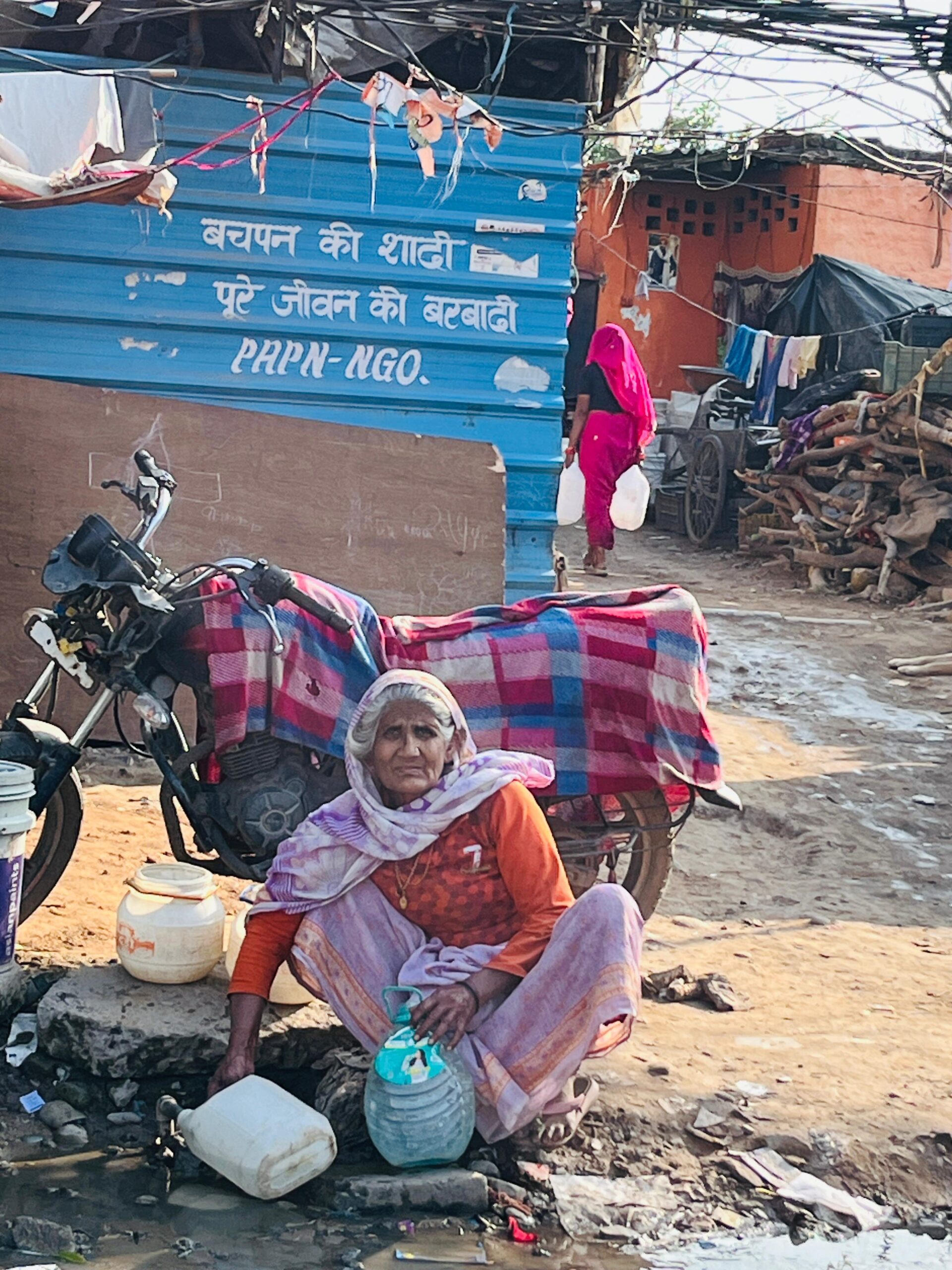

Sustainable development is at the core of building thriving rural communities, where both environmental preservation and social growth go hand-in-hand. Rural areas, often home to the majority of the world’s population, are uniquely positioned to lead in the adoption of sustainable practices. When these practices are embraced, they not only help preserve natural resources but also create opportunities for long-term economic growth, improved livelihoods, and healthier communities. In this blog, we’ll explore some of the most effective sustainable development strategies for village upliftment, focusing on eco-friendly practices, local resource utilization, and their long-lasting impact.
Embracing Eco-Friendly Agricultural Practices
Agriculture forms the backbone of rural economies, but conventional farming methods have often led to soil degradation, water scarcity, and deforestation. Eco-friendly agricultural practices are a cornerstone of sustainable development in rural villages. These practices focus on conserving the environment while improving the productivity of local farms.
- Agroforestry: This practice involves integrating trees and shrubs into agricultural landscapes to enhance biodiversity, improve soil fertility, and reduce erosion. By combining trees with crops, farmers can create a more resilient ecosystem that supports both agriculture and wildlife.
- Organic Farming: Moving away from synthetic pesticides and fertilizers, organic farming promotes the use of compost, natural pest control methods, and crop rotation. This not only reduces the environmental impact but also improves the health of the soil and water sources.
- Water Conservation Techniques: In many rural areas, water scarcity is a pressing issue. Implementing water-efficient irrigation systems, such as drip irrigation, can significantly reduce water usage while maintaining crop yields. Additionally, rainwater harvesting systems can provide a reliable water source, especially during dry seasons.
Promoting Renewable Energy Solutions
Energy access is crucial for rural development, yet many remote villages still rely on inefficient and polluting energy sources such as wood or kerosene. Sustainable energy solutions, particularly renewable energy, are essential for powering rural communities while reducing their carbon footprint.
- Solar Energy:: Solar panels are a viable solution for rural areas with limited access to the grid. Solar energy can power homes, schools, health centers, and even entire villages, reducing dependence on costly and harmful energy sources. In addition, solar energy provides an opportunity for local job creation through installation and maintenance.
- Biogas: In rural areas where livestock farming is prevalent, biogas production offers a sustainable alternative to traditional energy sources. By utilizing animal waste to produce biogas, farmers can generate clean energy for cooking and heating, which also reduces the reliance on wood, preventing deforestation.
- Wind Energy: In areas with consistent wind patterns, small-scale wind turbines can generate clean electricity. This is especially beneficial in remote villages where access to centralized power grids is limited. .
Sustainable Waste Management
Waste management is another critical area for rural development. Improper disposal of waste, especially plastics and organic materials, can lead to environmental pollution, which harms both human health and the local ecosystem. Sustainable waste management practices can transform waste into resources while improving community health and sanitation.
- Composting: Organic waste, such as food scraps and agricultural residues, can be composted and used to enrich the soil. This not only reduces waste but also improves soil fertility, helping farmers grow healthier crops.
- Recycling and Upcycling: Rural communities can promote the collection and recycling of plastic, metal, and paper. By setting up local recycling stations and encouraging the upcycling of materials, villages can reduce waste while generating income through the sale of recycled goods.
- Biodegradable Alternatives: Reducing the use of non-biodegradable materials like plastic bags and packaging can mitigate environmental pollution. Encouraging the use of biodegradable alternatives, such as jute bags or reusable containers, helps to promote a cleaner environment.
Leveraging Local Resources for Sustainable Growth
One of the defining aspects of sustainable rural development is utilizing local resources in a way that ensures long-term benefits without exhausting them. This approach emphasizes the importance of community-based resource management, where locals take responsibility for their environment and its preservation.
- Local Food Systems: Strengthening local food systems helps reduce reliance on imported goods and promotes the consumption of healthy, locally grown produce. By supporting small-scale farmers and promoting local markets, rural areas can ensure food security and foster economic stability.
- Sustainable Forestry: Forests are vital for rural communities, providing resources like timber, fuelwood, and medicinal plants. Sustainable forestry practices, such as selective logging and community-managed forest areas, help preserve these resources while ensuring they remain available for future generations.
- Eco-Tourism: Rural areas rich in natural beauty and culture can benefit from eco-tourism. By promoting sustainable tourism practices, such as lowimpact accommodations, local guide services, and the protection of natural landscapes, rural villages can generate income without compromising their ecological integrity.
Social Inclusion and Community Engagement
Sustainable development cannot be achieved without the active involvement of the local community. Empowering local residents, especially women and marginalized groups, is essential for the success of sustainable initiatives.
- Education and Awareness: Providing training and education on sustainable practices empowers communities to make informed decisions about resource use. This can include everything from sustainable farming techniques to waste management solutions.
- Community-Led Initiatives: Encouraging community ownership of development projects ensures that solutions are tailored to local needs. Community-led initiatives, such as cooperative farming, renewable energy cooperatives, and local recycling programs, foster a sense of responsibility and pride in sustainable development.
- Gender Equality: Ensuring that women have equal access to education, resources, and decision-making processes is critical to the success of sustainable development. Women are often at the heart of rural economies, and their participation in economic and environmental planning can drive transformative change.
Conclusion: A Path Toward Long-Term Growth
Sustainable development practices are not just about protecting the environment—they are about building a strong foundation for long-term economic, social, and environmental growth in rural villages. By embracing ecofriendly agricultural methods, renewable energy solutions, and efficient waste management, rural communities can create self-sustaining economies that benefit both present and future generations.
The key to successful sustainable development lies in the active participation of the community, the thoughtful use of local resources, and the empowerment of individuals—especially women—to take charge of their future. When rural communities adopt these practices, they pave the way for a prosperous, healthy, and environmentally conscious future.
Sustainable development in rural areas is not just about protecting the environment—it’s about building a foundation for long-term economic, social, and environmental growth that benefits both present and future generations.